
Kyphosis: What is It, What are the Symptoms, and When Should It Be Treated?
- An excessive curvature of the upper back has become a widespread condition.
- Kyphosis – also known as a hunchback or rounded upper back – is not only an aesthetic issue but can also cause serious musculoskeletal problems.
- Many people only start dealing with it when pain, stiffness, or even neurological symptoms appear.
- However, early recognition is crucial.
What Is Kyphosis?
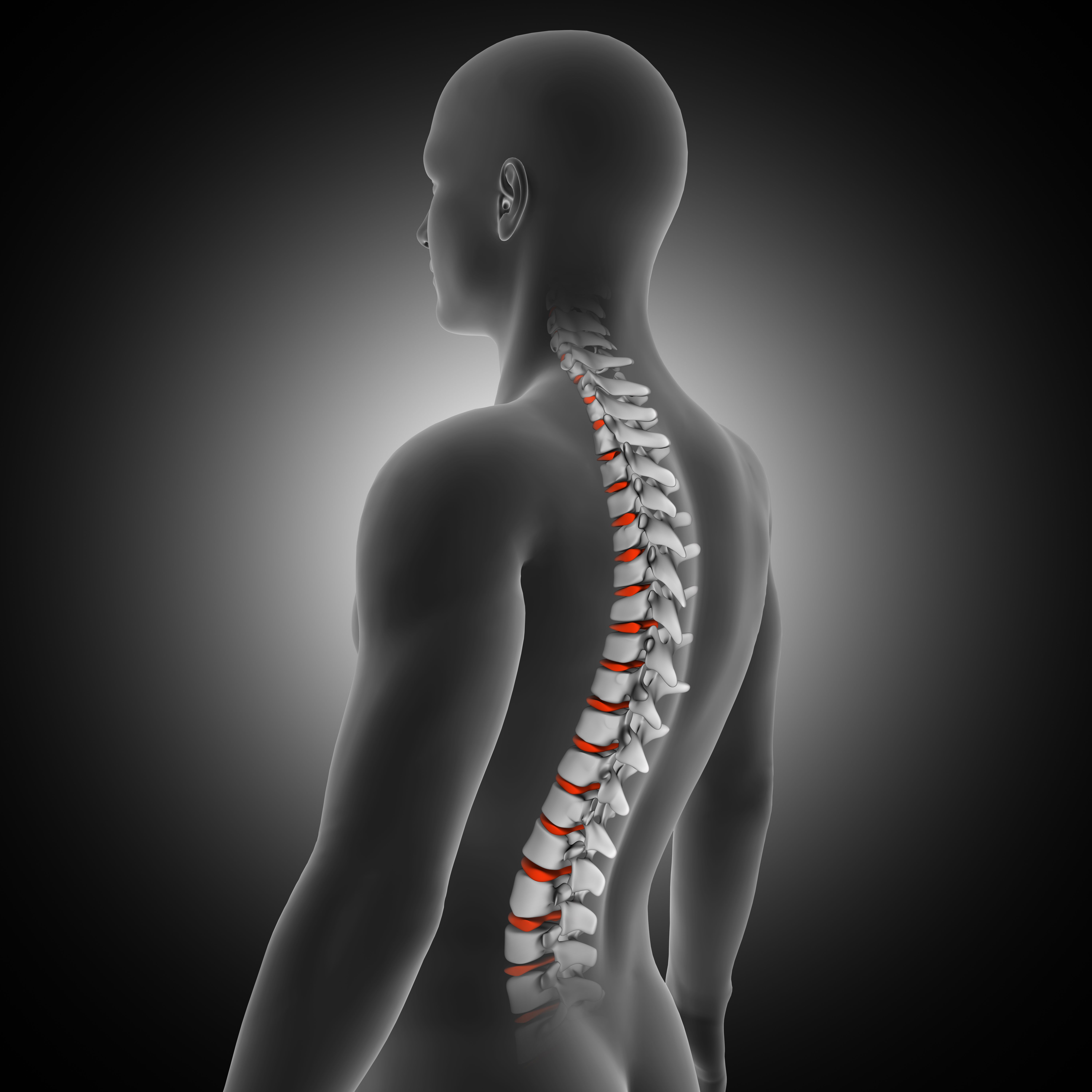
- Kyphosis is an abnormal forward curvature of the thoracic (upper back) section of the spine.
- Under normal circumstances, the spine has natural curves, but when the thoracic section becomes excessively curved, posture changes and problems begin to develop.
The most common causes:
- prolonged sitting work
- rounded/forward shoulders
- forward head posture
- lack of movement
- muscular imbalance
Why Is Untreated Kyphosis Dangerous?
- Untreated kyphosis is a very common condition, and many people underestimate its impact.
- If not treated in time, the uneven load on the spine can lead to the development of a herniated disc.
- Constant poor posture places continuous pressure on the intervertebral discs, which over time can cause bulging discs, herniation, and nerve compression.
The Most Common Symptoms of Kyphosis
- It is worth paying attention to the following signs:

- upper back pain
- neck and shoulder stiffness
- frequent headaches
- tension between the shoulder blades
- rounded/forward shoulders
- numbness or tingling in the arms
If several of these symptoms are present, it is advisable to consult a specialist as soon as possible.
How Can Treatment Help?
- The goal is not only to reduce pain but to eliminate the root cause.
- During treatment, we:
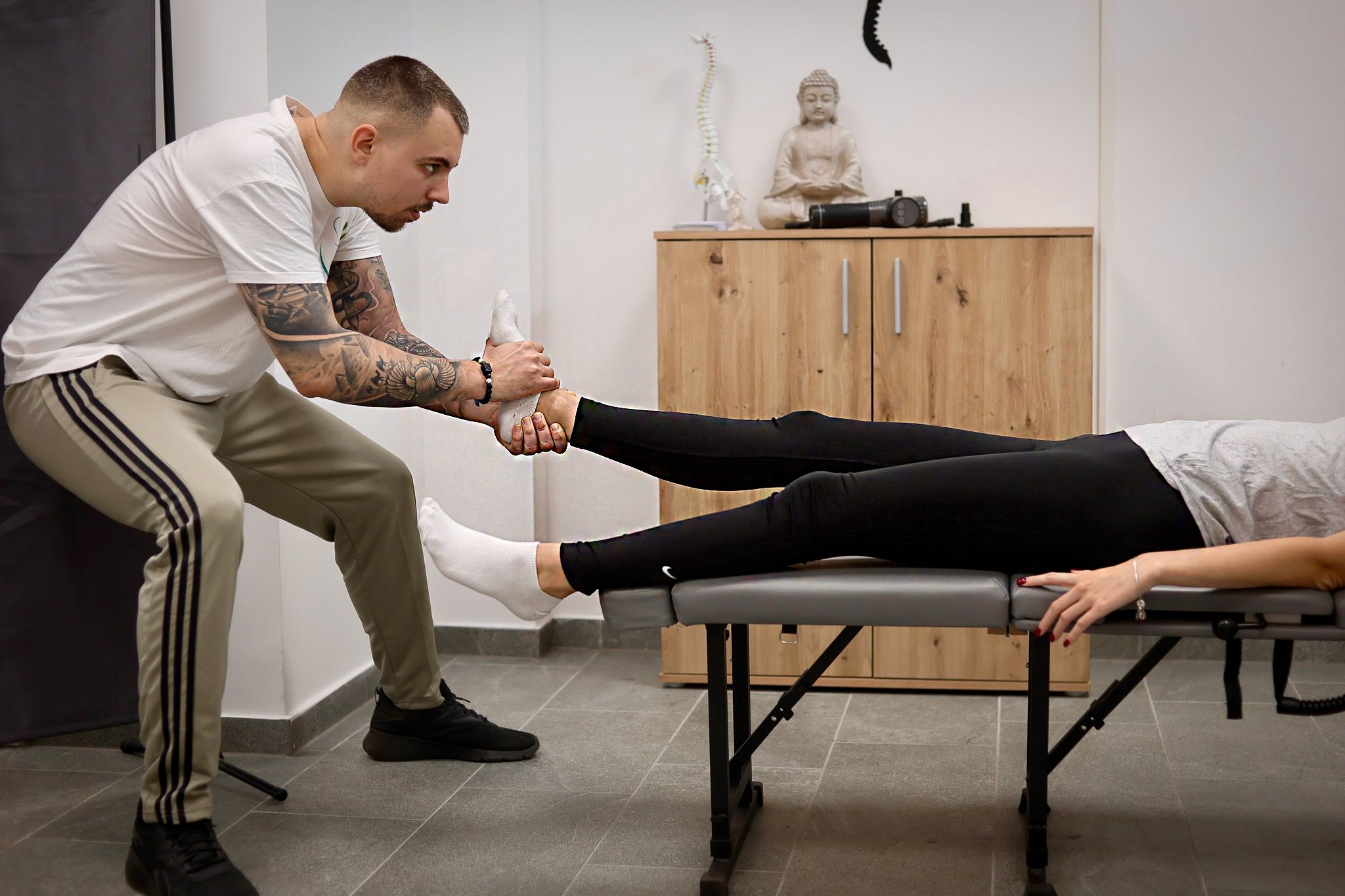
- restore the natural curves of the spine
- relax overstrained muscles
- activate weak muscle groups
- improve posture and movement patterns
As a result, pressure on the nerves decreases, range of motion improves, and the risk of developing a herniated disc is significantly reduced.
When Should You See a Specialist?
- If you experience persistent back pain, stiffness, limited mobility, or changes in posture, do not delay seeking treatment.
- Early treatment of kyphosis can lead to much faster and more effective results.

Do You Have Any Questions?
Send us a message or book an appointment on our website!