
Massage and Chiropractic Care: Why Are They More Effective Together?
- Musculoskeletal problems are often not caused by a single issue, and therefore they rarely respond best to just one treatment method.
- The combination of massage therapy and chiropractic care is one of the most effective approaches when dealing with persistent pain, stiffness, or restricted movement.
- Many people try these treatments separately, even though together they can provide deeper, longer-lasting results. Let’s take a closer look at why they work so well as a combination.
What Is the Role of Massage Therapy?
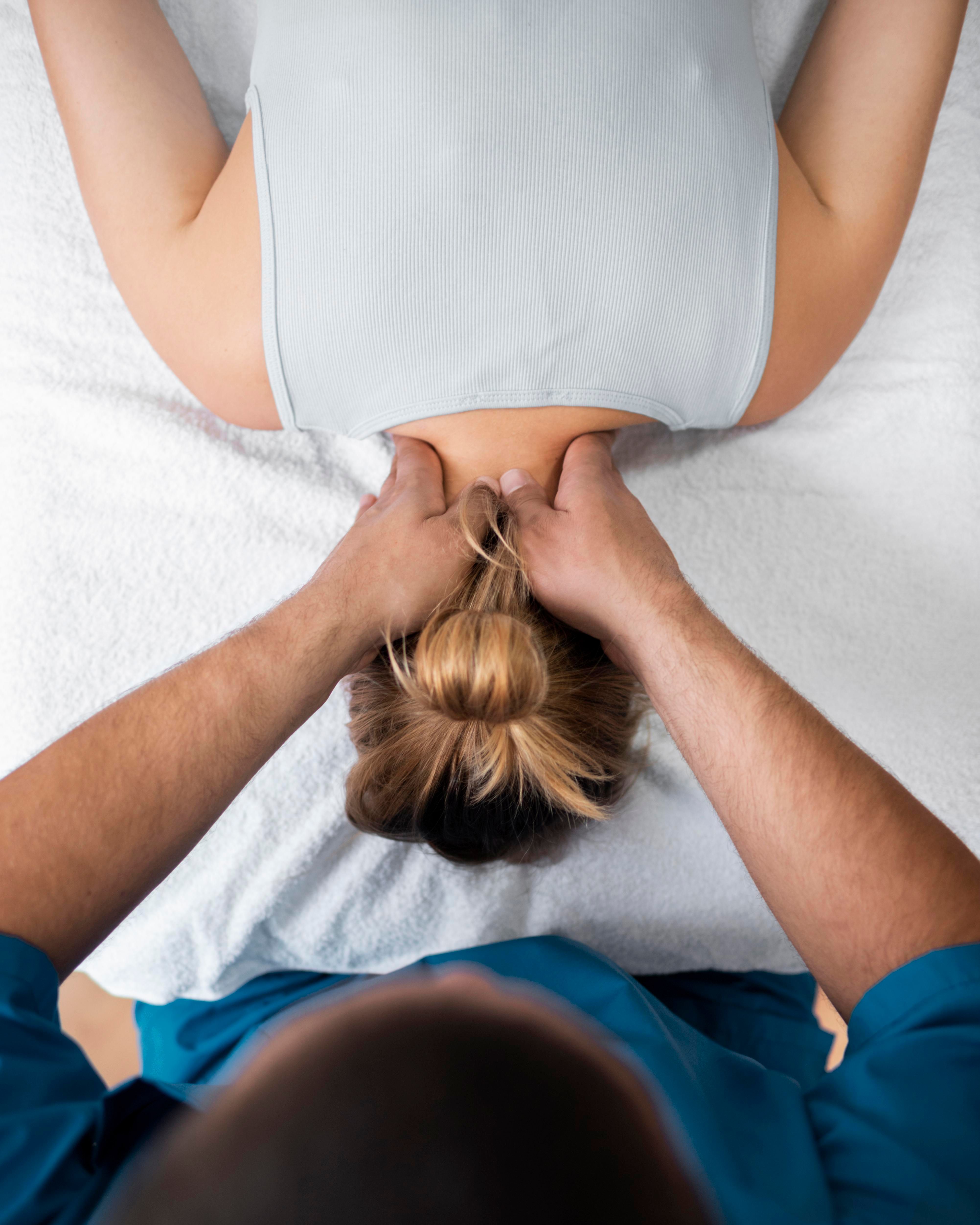
- Massage therapy primarily targets the muscles and connective tissues.
- It helps relax overactive muscle groups, improves blood circulation, and reduces pain caused by muscular tension.
As a result of massage therapy:
- muscle stiffness decreases,
- flexibility improves,
- stress and tension are released,
- the body becomes prepared for further treatment.
This is especially important when pain is caused by chronic muscle tightness or poor posture.
What Does Chiropractic Care Do?
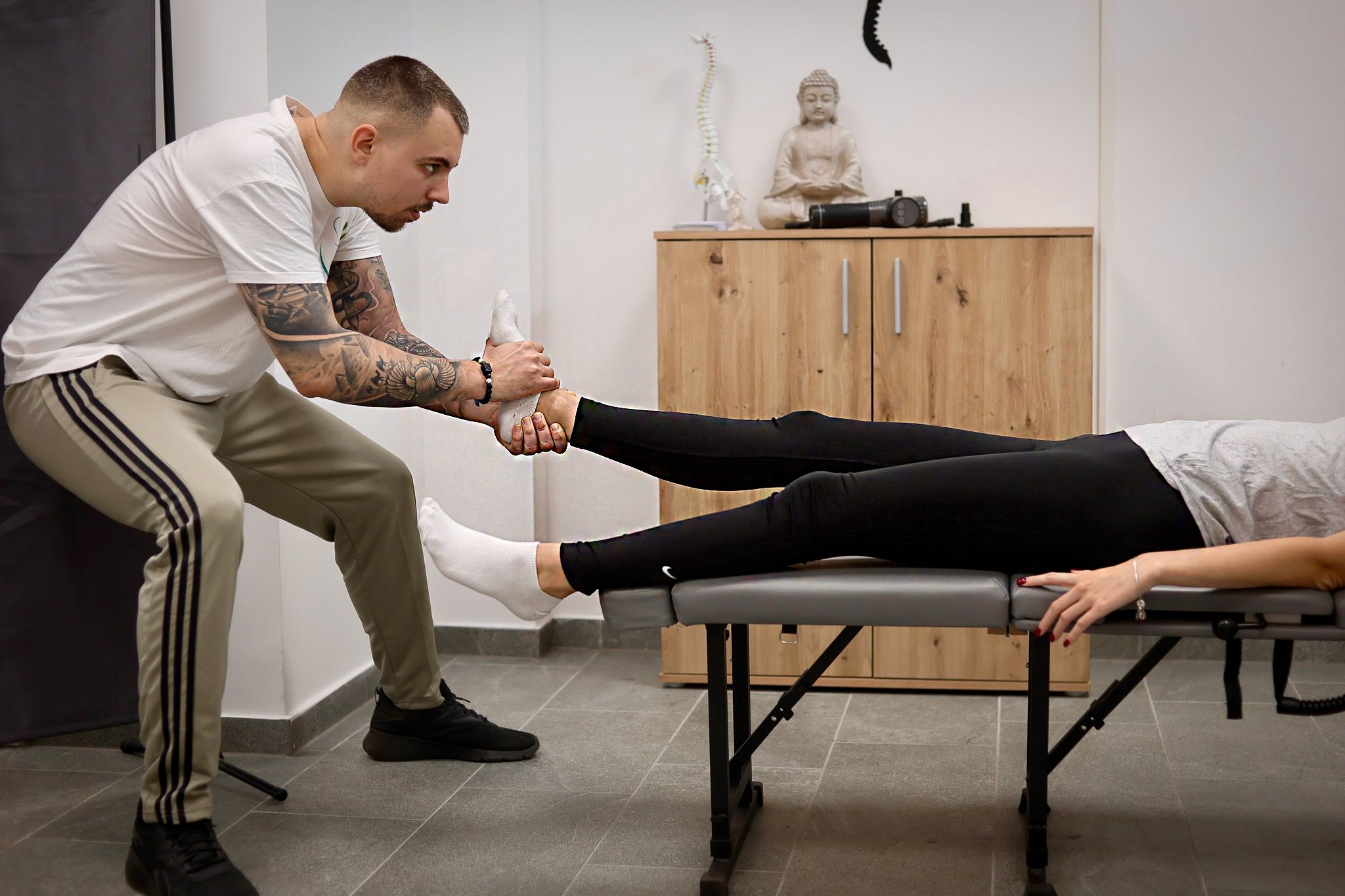
- Chiropractic care focuses on restoring proper movement and alignment of the spine and joints.
- When a joint becomes restricted or misaligned, it alters movement patterns, overloads muscles, and may irritate nerves.
The goals of chiropractic treatment include:
- restoring joint range of motion,
- re-establishing the spine’s natural balance,
- reducing pressure on the nervous system,
- improving overall movement quality.
- While chiropractic care is effective on its own, tight muscles can make it harder to achieve lasting results. This is where massage therapy — and our guided stretching video materials — play an important supporting role, helping us reach optimal results more quickly.
Why Is Massage and Chiropractic Care More Effective Together?

- These two methods complement each other perfectly.
- Massage therapy relaxes the muscles, allowing chiropractic adjustments to be performed more easily, gently, and effectively.
This combination:
- reduces post-treatment tension,
- speeds up recovery,
- helps maintain the achieved corrections,
- lowers the risk of recurring symptoms.
In this way, we treat not only the symptoms but also the underlying causes.
When Is Combined Treatment Especially Recommended?

- neck and upper back pain,
- shoulder and shoulder blade tension,
- lower back pain,
- restricted range of motion,
- poor posture,
- headaches and radiating nerve symptoms.
In these cases, a combined approach often leads to faster and more sustainable improvement.
When Should You See a Specialist?
- If pain keeps returning, stiffness persists, or you feel that your body does not move freely, do not wait until a more serious condition develops.
- The combined use of massage therapy and chiropractic care helps restore balance and prevents long-term musculoskeletal problems.